
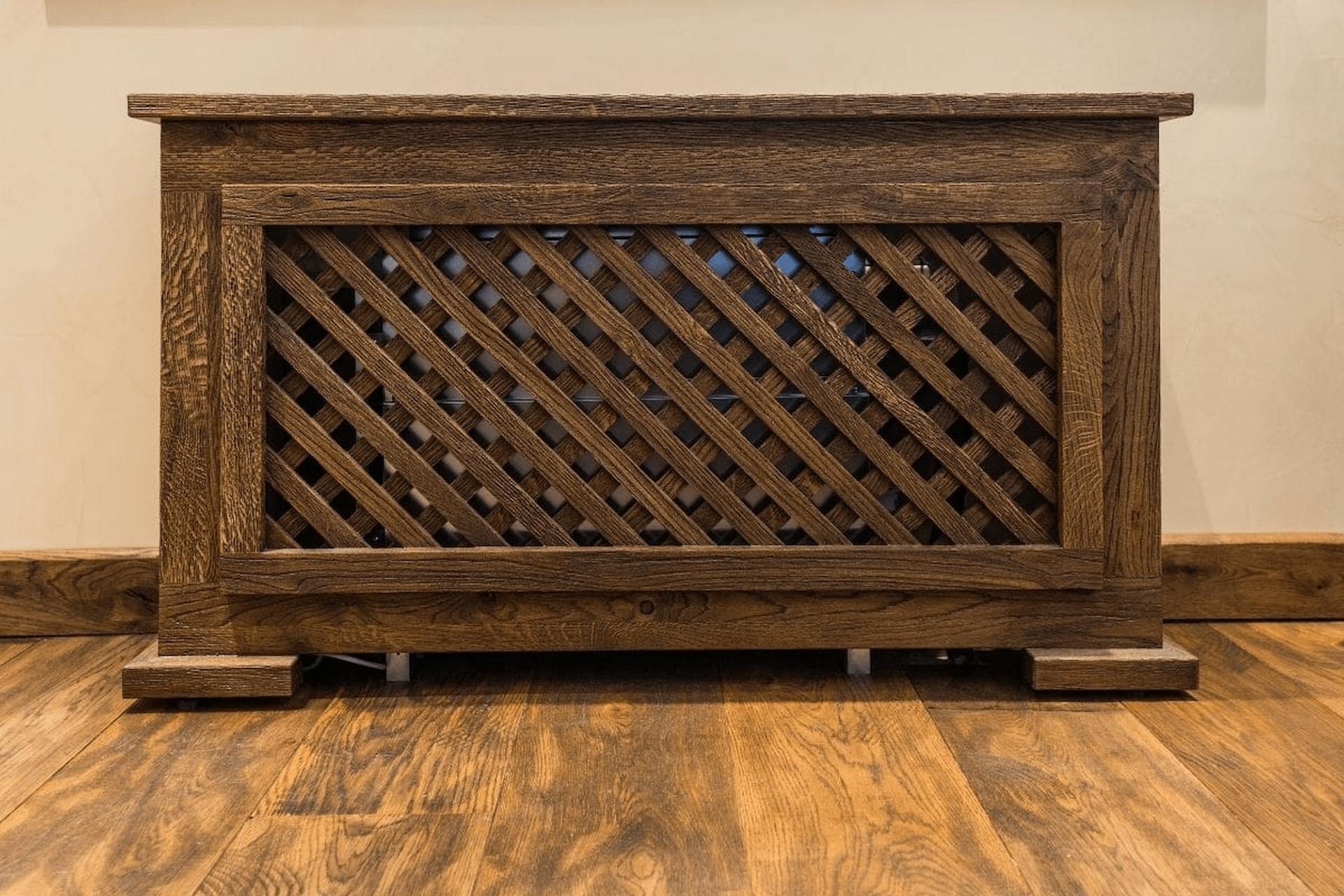
Do Radiator Covers Actually Block Heat? What the Numbers Say
 Luna Martin
Many homeowners love the sleek, finished look that radiator covers bring to a room. They hide bulky, utilitarian panels behind elegant wood, metal, or custom designs that blend seamlessly with furniture. Yet one persistent question lingers: do radiator covers block heat and force your heating system to work harder?
The short answer is yes, they do reduce heat output to some degree. However, the real impact depends heavily on design, materials, and installation. Understanding the science and the figures behind it can help you make an informed choice that balances aesthetics with efficiency.
How Radiators Actually Heat a Room
To grasp the effect of covers, it helps to understand the three main ways radiators transfer heat: convection, radiation, and a small amount of conduction.
Convection is the star performer. Warm air rises from the radiator’s surface, drawing cooler air in from below and creating a natural circulation loop that warms the entire space. Radiation sends infrared heat directly from the hot metal surfaces outward. Conduction plays a minor role through contact with nearby objects.
Any cover placed over the radiator inevitably interferes with these processes. Solid panels can absorb heat or deflect it, while restricted airflow slows convection. The question is not whether there is an effect, but how significant it is in practice.
What the Research and Real-World Data Tell Us
Independent studies and industry guidance provide clear benchmarks. According to guidance from the Chartered Institute of Building Services Engineers (CIBSE), fully encasing radiators can reduce heat output by 20% or more. A 2016 scientific investigation into decorative covers found reductions of up to 40% with restrictive timer-style casings, but only 11% with well-designed magnetic covers that allowed better airflow.
Practical estimates from heating experts align with these findings. Poorly designed covers with solid fronts, closed tops, and minimal gaps can cut output by 20–30%. In real terms, a 1,500-watt radiator losing 20% of its capacity delivers only 1,200 watts. Your boiler must then run longer or hotter to compensate, potentially increasing energy bills.
Conversely, thoughtfully engineered covers fare much better. Models with lattice or open fronts, generous top ventilation, and adequate clearance around the radiator typically limit losses to 5–10%. Some designs with reflective backing and optimised airflow can even enhance convection slightly, directing more heat into the living space rather than letting it escape into the wall.
Factors That Influence Performance
Not all covers perform the same. Several variables determine the extent of any heat reduction:
Design and Ventilation
Covers with slatted fronts, perforated metal, or open grilles allow hot air to rise freely. Solid, boxy designs that trap air at the top create a noticeable bottleneck.
Materials
Wood absorbs and holds heat more than metal, which conducts and radiates it efficiently. However, even metal covers need proper gaps to work well. Reflective foil behind the radiator (not part of the cover itself) can dramatically improve performance by bouncing heat forward instead of letting it warm exterior walls.
Clearance and Fit
Tight-fitting covers pressed directly against the radiator restrict airflow the most. Leaving a few centimetres of space at the bottom and top makes a measurable difference.
Room Context
In a well-insulated modern home, a small efficiency loss may hardly register. In older properties with draughts or single glazing, every percentage point matters more.
The Benefits Beyond Heat Output
Despite the numbers, many people still choose radiator covers for compelling reasons. They protect children and pets from hot surfaces, prevent dust accumulation on fins, and reduce the risk of damage to nearby furnishings or curtains. Aesthetically, they transform awkward heating elements into attractive features integrated shelves, window seats, or statement pieces.
Covers can also contribute to overall energy management. By shielding radiators from direct sunlight or accidental knocks, they help maintain consistent performance over time. When combined with smart controls and proper system maintenance, the modest efficiency trade-off often proves acceptable.
Choosing and Optimising Radiator Covers
If you decide to install covers, focus on quality and ventilation:
- Look for designs certified or tested for minimal heat loss.
- Prioritise models with open fronts and tops.
- Consider adding reflective insulation behind the radiator.
- Have your system professionally balanced so each radiator receives the right flow.
- Measure temperature differences before and after installation if you want hard data for your own home.
For those particularly concerned about efficiency, alternatives include decorative radiator panels that attach more lightly or simply painting the radiator to match the room. However, many find that a well-chosen cover strikes the best balance.
Striking the Right Balance
Radiator covers do reduce heat output, but the reduction ranges from negligible (around 5%) in excellent designs to substantial (20–30%+) in restrictive ones. The numbers are clear: design is everything. A cover that respects convection and radiation principles will deliver comfort without significantly raising your heating costs.
Ultimately, the decision comes down to your priorities. In many British homes, the improvement in appearance, safety, and cleanliness outweighs a small efficiency dip—especially when you choose intelligently. By understanding how heat moves and selecting covers that work with physics rather than against it, you can enjoy both a beautiful room and an effective heating system.
With energy costs remaining a key concern for households across the UK, taking time to evaluate options pays dividends. The most efficient heating setup is one that you actually enjoy living with—and for many, that includes tastefully covered radiators that blend into the home rather than dominating it.