
Cross-Training for Spinal Stability: Low-Impact Sports That Support Recovery
 Ruth Willson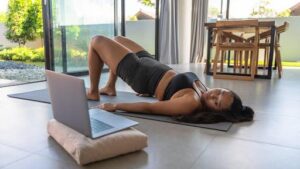
Rebuilding fitness after spine surgery requires creativity, structure and a focus on long-term health. Cross-training is a valuable tool for athletes and active individuals recovering from spine surgery. Dr. Larry Davidson, a specialist in the field, explains that incorporating low-impact sports into rehabilitation helps build spinal stability, promote cardiovascular health and supports a safe return to higher-impact activities.
By choosing spine-friendly athletic alternatives such as swimming, yoga and Pilates, patients can stay engaged in fitness, while protecting their healing tissues. Cross-training provides variety and reduces the risk of overloading specific structures during recovery. It also helps maintain motivation, offering ways to stay active, without placing undue stress on the spine.
The Benefits of Low-Impact Cross-Training
Low-impact sports place minimal stress on joints and the spine, while delivering meaningful fitness benefits. These activities promote strength, flexibility, endurance and balance, all essential for spinal health. Cross-training helps distribute loads more evenly across the body, reducing repetitive strain on healing areas.
It allows athletes to continue building fitness, while minimizing forces that could contribute to reinjury or setbacks. Low-impact options also provide opportunities to refine movement control and body awareness, both of which are critical for preventing compensation patterns during recovery.
Swimming – Full-Body Conditioning Without Impact
Swimming is often recommended for individuals recovering from spine surgery because it combines resistance with buoyancy. The water supports body weight, which reduces stress on the spine, while allowing full-body movement. Swimming builds cardiovascular endurance, strengthens major muscle groups and promotes joint mobility.
Different strokes offer varying benefits. Freestyle and backstroke encourage trunk rotation and controlled limb movement, supporting core activation. Breaststroke and butterfly require more power and coordination, making them suitable for later stages of recovery. Aquatic therapy can complement lap swimming by focusing on gentle resistance exercises, balance work and range of motion activities tailored to spinal recovery.
Yoga – Promoting Flexibility, Strength and Mindfulness
Yoga blends controlled stretching, isometric strength work and breath control to support spinal health. Gentle yoga styles, such as restorative or Hatha yoga, emphasize slow, deliberate movements and postures that enhance flexibility and promote alignment. Yoga encourages activation of deep core muscles that provide critical spinal support. Poses such as cat-cow, bird-dog and modified planks build strength, without excessive load.
Balance-focused poses help improve proprioception and body awareness, reducing the risk of compensatory movements. Dr. Larry Davidson notes that yoga’s focus on mindful movement and breathing can aid mental recovery, support relaxation and reduce tension that may contribute to poor posture or strain.
Pilates – Building Core Stability and Movement Control
Pilates emphasizes core strength, controlled movement and alignment, making it valuable during spinal rehabilitation. The method focuses on small, precise movements that activate deep stabilizing muscles, without placing significant stress on the spine. Mat-based Pilates routines can be customized for different stages of recovery, starting with basic exercises such as pelvic tilts, bridges and dead bugs.
Over time, patients can progress to more challenging movements that integrate limb coordination and resistance bands. Pilates promotes balanced muscle development and reinforces good posture, helping prevent compensations that can lead to secondary injuries during recovery. These exercises emphasize controlled, precise movements that enhance body awareness and stability.
As patients advance, variations can be introduced to target specific weaknesses and asymmetries. The gradual increase in complexity supports both strength and functional mobility. This structured progression not only aids physical recovery but also builds confidence in returning to daily activities and sport-specific tasks.
Additional Spine-Friendly Cross-Training Options
Other low-impact activities can also support spinal stability during cross-training. Cycling, whether stationary or upright, provides cardiovascular conditioning and leg strength with minimal spinal loading. Provided posture and core engagement are maintained. Elliptical training delivers a low-impact cardiovascular workout, while supporting a natural gait pattern.
Tai chi combines slow, flowing movements with breath control and mental focus, promoting balance, coordination and postural awareness. Water aerobics provides resistance and support similar to swimming, allowing for strength and endurance work, without high-impact forces. Each of these options helps maintain fitness, while minimizing the risk of excessive spinal stress.
How to Integrate Cross-Training Safely
It is important to follow best practices to gain the benefits of cross-training, without compromising spinal recovery. Athletes should first obtain clearance from their surgeon or physical therapist before starting any new activity. Beginning gradually, with shorter durations and lower intensities, allows strength, control and endurance to build over time. Focusing on form is critical. Proper technique supports the spine and prevents unnecessary strain. Working with experienced instructors or therapists can help ensure movements are performed correctly.
Monitoring symptoms is essential. Any increase in pain, stiffness or fatigue should prompt a reassessment of activity levels and techniques. Cross-training should always be balanced with rest to support recovery. Careful observation helps identify patterns that might indicate overtraining or improper movement mechanics.
Open communication between athletes, therapists and coaches ensures that concerns are addressed promptly. Adjustments to intensity, duration or type of activity can help prevent setbacks. Rest periods are not just pauses in training. They play an active role in supporting tissue healing and adaptation. Consistent monitoring supports long-term progress, while minimizing the risk of reinjury.
Common Pitfalls to Avoid
While cross-training offers many benefits, it can also be risky if not approached thoughtfully. Doing too much too soon, even with low-impact activities, can place stress on healing tissues if intensity or volume increases too quickly. Neglecting sport-specific work is another pitfall. Cross-training should complement, not replace, targeted rehabilitation exercises designed for the athlete’s primary sport.
Overlooking compensation patterns is also a concern. Without attention to form and alignment, compensatory movements can develop and place new strain on other areas. Collaboration with a multidisciplinary team helps ensure cross-training is integrated effectively into the recovery plan.
Cross-Training for Long-Term Spinal Health
Low-impact cross-training can offer benefits that extend well beyond the recovery phase. Regular participation in these activities helps maintain strength, flexibility and cardiovascular fitness, while minimizing stress on the spine.
Incorporating low-impact options into a long-term training routine not only supports spinal health but also contributes to overall athletic performance. Many athletes find that cross-training reduces injury risk, promotes balanced muscle development and provides valuable variety that keeps training both effective and enjoyable. By blending recovery principles with ongoing fitness, cross-training becomes a powerful tool for building a strong, resilient foundation for the future.